What Food Freedom Actually Looks Like in Recovery
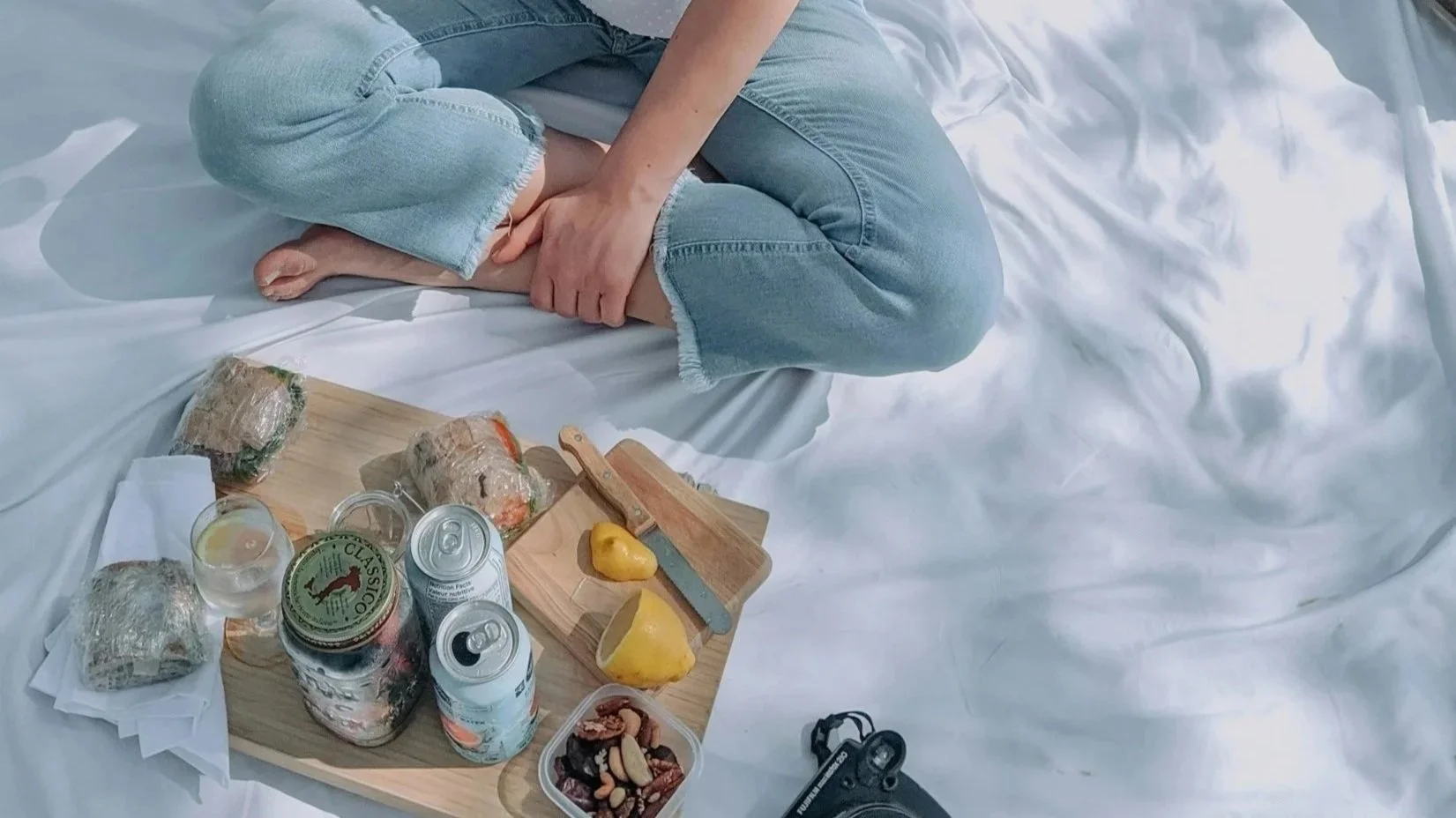
A More Peaceful Relationship with Food
Food freedom is often talked about in eating disorder recovery, but it can be hard to picture what it actually feels like when you’re living it. It’s not a finish line you suddenly arrive at, and it’s not about eating “perfectly.” It’s a relationship. One that becomes more peaceful, more flexible, and more trusting over time. Food stops taking up so much space in your mind, the rigid eating disorder rules begin to soften, and you’re able to listen to your body while still fully living your life. It’s less about the eating disorder’s control and more about connection, both with yourself and the life happening around you.
At its core, food freedom feels calm in recovery. You’re no longer constantly thinking about what you “should” or “shouldn’t” eat, or feeling pulled in different directions by rules and expectations dictated by the demands of the eating disorder. In recovery, there’s a sense of trust that begins to build between you and your body, even if it starts small. Instead of food feeling overwhelming or emotionally charged, it becomes more neutral, just one part of your day rather than the center of it. That sense of peace doesn’t mean you never have hard moments, but it does mean those moments don’t take over the way they once did.
This is something I have experienced in my own recovery, and it is something I see in my coaching clients as well. At first, the quiet can feel unfamiliar. When your mind is used to constant eating disorder noise around food, peace can almost feel uncomfortable. But over time, as your progress in your recovery journey, that calm becomes something you trust. It becomes a foundation you can come back to, even on harder days.
Eating Becomes More Intuitive
Food freedom looks like eating when you’re hungry and choosing what genuinely sounds good to you, not what feels “allowed” by the eating disorder or “safe.” In recovery, you begin to notice your body’s cues more clearly and feel more confident responding to them. Cravings are no longer something to fear, ignore, or push away. They are something you can honor without guilt or second guessing. There is also more flexibility here. You might not always get it right, but you are able to adjust without spiraling. Over time, eating starts to feel more natural, less like a decision you have to overthink and more like something you can trust yourself to navigate.
In my own journey, this was one of the biggest shifts. Learning to trust my body again did not happen overnight, and it often felt uncomfortable at first. As an eating disorder recovery coach, I also remind my clients that intuitive eating is not about perfection. It is about practice. It is about building that trust slowly, through small choices that add up over time.
Letting a Meal Just Be a Meal
One of the most freeing parts of eating disorder recovery is being able to let a meal simply exist without attaching meaning or rules to it. You don’t feel the need to “earn” your food beforehand or make up for it afterward. There is less calculating, less planning, and less pressure to control every outcome. Instead of the eating disorder trying to get everything “right”, you are able to stay present with what you are eating and move on with your day. This shift creates so much relief, because food is no longer tied to guilt or compensation. It becomes nourishment, enjoyment, and part of being human.
This is something I work on often with my eating disorder recovery coaching clients in real time. It is not just about what happens in a session, but what happens after the meal is over. Practicing not going back to overanalyze or compensate can feel uncomfortable, but it is also where so much growth happens when that mental loop starts to loosen.
More Mental Space
When food freedom starts to settle in, it creates space in your mind that you may not have realized was missing. Your eating disorder is no longer overanalyzing every decision, replaying what you ate, or manipulating your thinking throughout the day. The constant mental noise begins to quiet. With that space, you’re able to be more present, whether that is in conversations, in your work, or in moments of rest. In recovery, you start to feel like your thoughts belong to you again instead of being dominated by food and body concerns.
As an eating disorder recovery coach, I often tell my clients that this is one of the most noticeable shifts. It is not always about what you are eating, but how much space food is taking up in your mind. When that space opens up, it can feel emotional. There is more room for your actual life, your relationships, your creativity, and your sense of self.
Freedom in Social Settings
Food freedom shows up in your relationships in a really meaningful way. You’re able to go out to eat, share meals, and say yes to spontaneous plans without feeling overwhelmed or anxious about the unknowns. There is less need to pre plan everything or control the situation ahead of time. Instead of being distracted by food thoughts or eating disorder urges, you are able to stay present with the people around you and actually enjoy the experience. This often brings a sense of reconnection, because you are no longer isolating or avoiding moments that once felt too difficult to navigate or too dictated by what the eating disorder demanded.
This is something I care deeply about in my work as an eating disorder recovery coach, because so much of life happens around food. I have seen how isolating it can feel to avoid these moments, and I have also seen how powerful it is when clients begin to re-enter them. Saying yes to a last minute plan or staying present at a dinner can feel like such a big win, and it truly is. And this is what recovery is all about! Recovery is about making space for the joys in life that the eating disorder has no power over, and food freedom is just one of those many areas of life in recovery.
Life Expands Beyond The Eating Disorder’s Rules
Over time, as you move through eating disorder recovery, you begin to notice that your life is not revolving around food anymore. The energy and time that once went into eating disorder thoughts, rules, and stress around eating begin to open up. There is more room for joy, creativity, connection, and spontaneity. Things feel calmer and more steady, and you are able to engage more fully in your life. You might find yourself returning to hobbies, relationships, and parts of yourself that felt distant before, which can be so incredibly empowering and comforting in your recovery journey.
This part of recovery can feel really emotional in the best way. I remember realizing I had more space in my day and asking myself what I actually wanted to fill it with, and this was one of my favorite parts of my recovery journey! In eating disorder recovery coaching, I see my clients go through this too. It becomes less about food and more about building a life that feels meaningful, full, and authentic to who you really are.
Food freedom is not about getting it right all the time. It is not about never having a hard day or never feeling triggered again. It is about building a relationship with food that feels supportive, flexible, and sustainable over time. When challenges do come up, you are able to move through them with more awareness and compassion instead of falling back into the old patterns of the eating disorder. This kind of freedom is built slowly, through consistency and care.
As an eating disorder recovery coach, this is something I remind my clients of often. You do not need to do this perfectly to be making progress. In fact, perfection is usually what keeps people stuck! What matters the most is your willingness to keep showing up, to keep practicing, and to keep choosing yourself in the process.
