
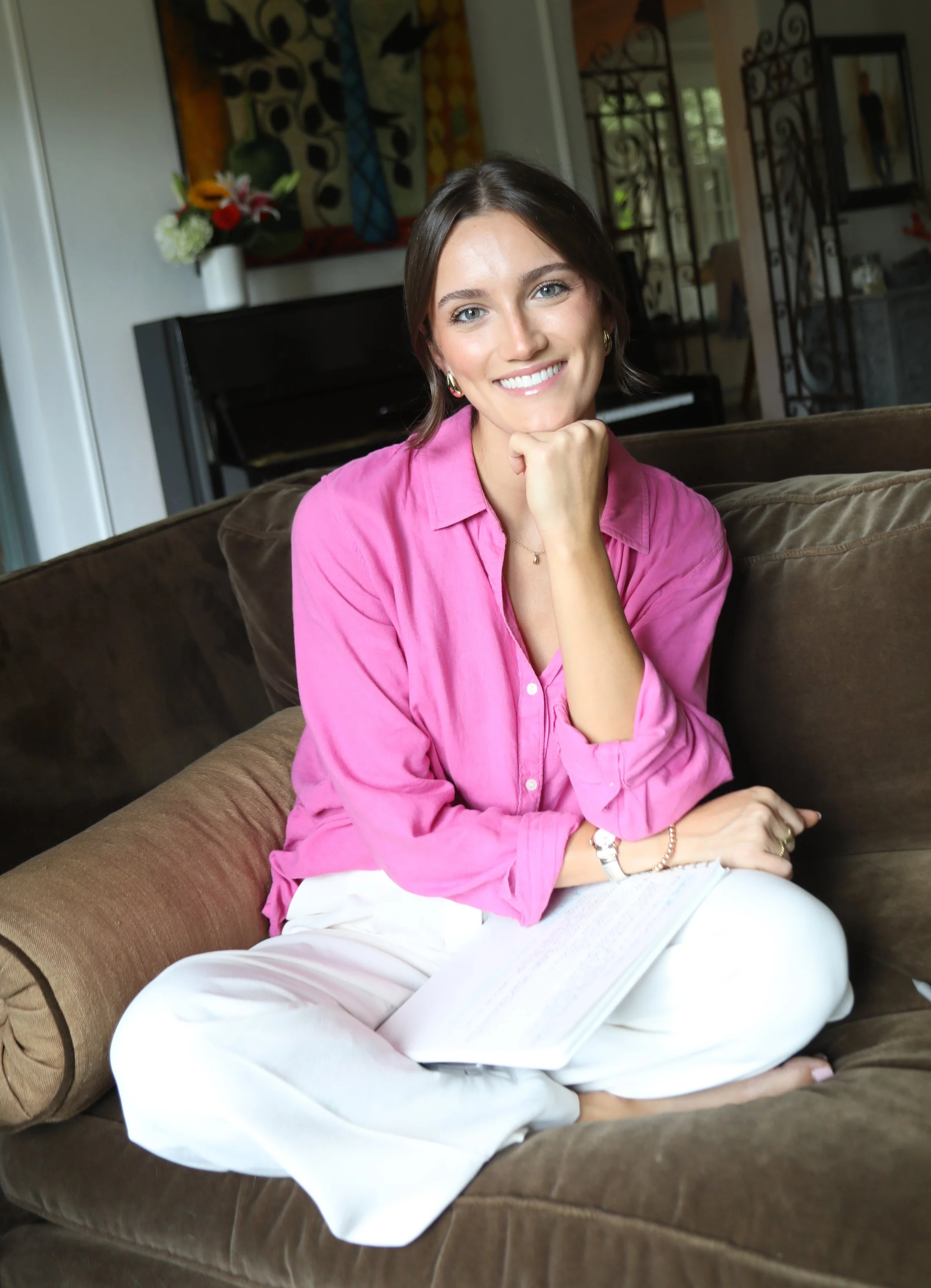
Meet Harper Reed, Eating Disorder Recovery Coach
Hi, I’m Harper. I offer individual eating disorder recovery coaching online and in person in Dallas, helping you put recovery tools into practice with warmth, encouragement, and accountability.
I want to get to know the person behind the eating disorder: what matters to you, what feels difficult, and what you want more room for in your life.
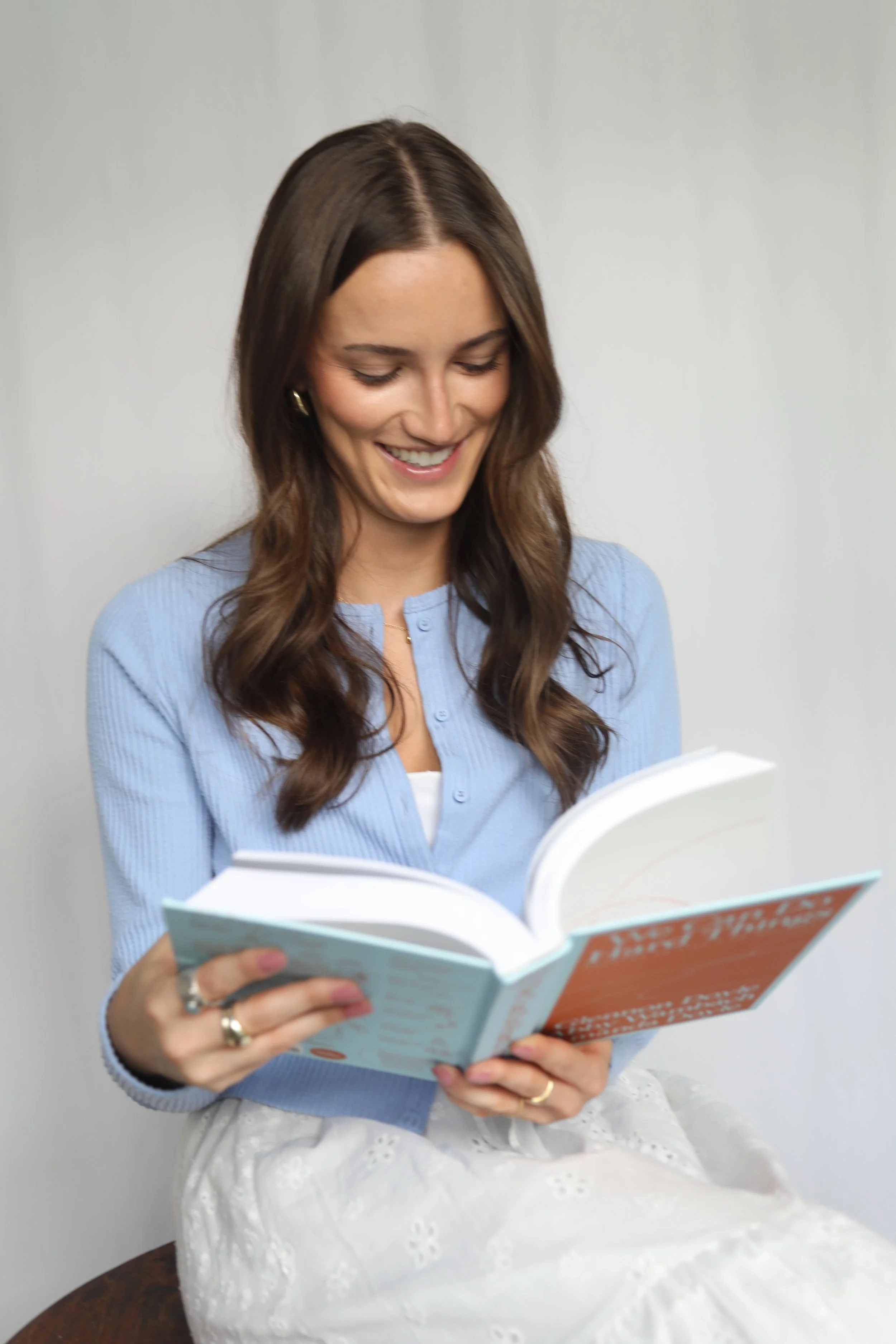
Why Eating Disorder Recovery Coaching Matters to Me
My path into this work is personal as well as professional. Having experienced an eating disorder myself, I understand how fear, shame, and isolation can make it difficult to ask for help. I also understand that wanting change doesn’t always mean feeling ready for everything recovery asks of you.
Before becoming a coach, I mentored people in early recovery and spoke in alumni support groups for loved ones. Those experiences strengthened my desire to make recovery support part of my career.
Today, I help clients work toward more openness, confidence, and participation in their own lives. Your story will be different from mine, and I want to understand it on its own terms. My experience informs the empathy I bring; your needs and goals guide our work.
Does this Feel Familiar?What Working With Me Feels Like
Room to Be Honest
You don’t have to arrive with the “right” answer or make your week sound better than it was. We can talk about hidden struggles, mixed feelings, and moments when recovery feels hard to choose. I want you to feel comfortable sharing what is actually happening so we can work through it together.
Support for Building Motivation
If you’re unhappy feeling stuck but afraid of change, we can start there. We’ll explore what matters to you, what you want more room for, and what makes moving forward difficult. Building motivation is part of coaching, rather than something you need to have figured out beforehand.
A Partnership That Strengthens Your Voice
Your recovery belongs to you. We’ll make decisions together and practice skills that help you take more ownership of your choices. I want our work to help you recognize your capabilities and reconnect with your own voice.
Encouragement With Accountability
I’ll listen, encourage you, and help you recognize your progress. I’ll also be honest when eating disorder patterns are getting in the way of your goals. Together, we’ll explore what happened, what support was missing, and what you can practice next.

My Recovery Coaching Training & Background
I am a Certified Eating Disorder Recovery Coach through the Carolyn Costin Institute and hold bachelor’s degrees in Psychology and Education from Southern Methodist University. My CCI training included specialized instruction and supervised coaching experience.
My background also includes working as a third-grade teacher. Education remains part of how I approach coaching: making room for questions, breaking goals into manageable steps, and practicing skills together.
In our sessions, that might mean preparing for a restaurant meal, talking through a body image challenge, or exploring why a goal has been difficult to follow through on. With your permission, I collaborate with your treatment team to keep coaching connected to your care. Medical treatment, psychotherapy, and dietary guidance remain with those providers.


A Little About My Life Outside Coaching
Creativity is a big part of who I am. I enjoy photography, baking, art, and trying a new project when curiosity strikes.
I’m a Dallas girl through and through, and I feel lucky to have much of my family nearby. Time with family and friends, exploring Dallas, finding a good thrift store, and hanging out with my two dogs, Cookie and Penny, are all parts of life I love.
Connection, humor, and curiosity matter to me. Those interests are also a reminder of what I want clients to have room to discover for themselves: people they love, things they enjoy, and opportunities to keep growing.



Recovery Support That Connects to Your Everyday Life
The moments that feel hardest don’t always happen during an appointment. They can happen at the grocery store, around a holiday table, or when you’re alone and motivation starts to fade.
That’s where our work can become practical. Alongside conversations about goals and motivation, we can incorporate meal support, recovery exposures, family and caregiver support, and between-session contact within agreed guidelines.
We’ll keep returning to what matters to you and how recovery can help you make more room for it.
Frequently Asked Questions About Harper
-
I’m a Certified Eating Disorder Recovery Coach through the Carolyn Costin Institute and hold degrees in Psychology and Education from Southern Methodist University. I also bring a background in teaching, experience mentoring people in recovery, and my own eating disorder recovery experience.
-
It helps me understand how complicated recovery can feel, including the uncertainty and shame that can make it hard to speak openly. I bring that understanding to our conversations while taking time to learn your experience. Your story, needs, and goals guide our work.
-
I combine warmth with clear direction, honest conversation, and accountability. We’ll explore what keeps you stuck, build motivation around what matters to you, and practice taking action. I want you to feel comfortable being honest while also feeling supported to move forward.
-
Yes. Family and caregiver sessions offer space to ask questions, better understand what your loved one may be experiencing, and discuss practical ways to support recovery. We can meet separately or together with the person in recovery, when appropriate.
-
The consultation gives us a chance to get to know each other. You can ask about my approach and share what you’re looking for, while I assess whether coaching and my availability match your needs. We’ll talk openly about whether working together makes sense.
The Values Behind My Recovery Coaching Approach
Warmth
You can bring the hard days, mixed feelings, and small wins. I aim to make our sessions a welcoming place where you can speak openly and feel heard.
Trust
Trust grows through consistency, clear expectations, and honest conversations. We’ll take time to build a relationship where you feel comfortable asking questions and reaching out for support.
Collaboration
You have a voice in our work together. We’ll shape coaching around your goals and collaborate with your treatment team so your support stays connected.
Genuineness
I bring my personality, curiosity, and care to our conversations. I want you to feel comfortable showing up as yourself, too, without needing to make your experience sound easier than it is.
Integrity
I’m clear about my role, communication boundaries, and what coaching can offer. That includes recognizing when your needs call for support beyond the scope of recovery coaching.
Empowerment
I’ll support you in practicing skills and making choices that align with your recovery goals. Our work is about helping you build confidence taking an active role in your own recovery.

Let’s Get to Know Each Other
Feeling comfortable with your coach matters. A consultation gives us space to talk about what you’re experiencing, ask questions, and explore whether my approach is a good fit for the support you need.